History · Anime Chronicle
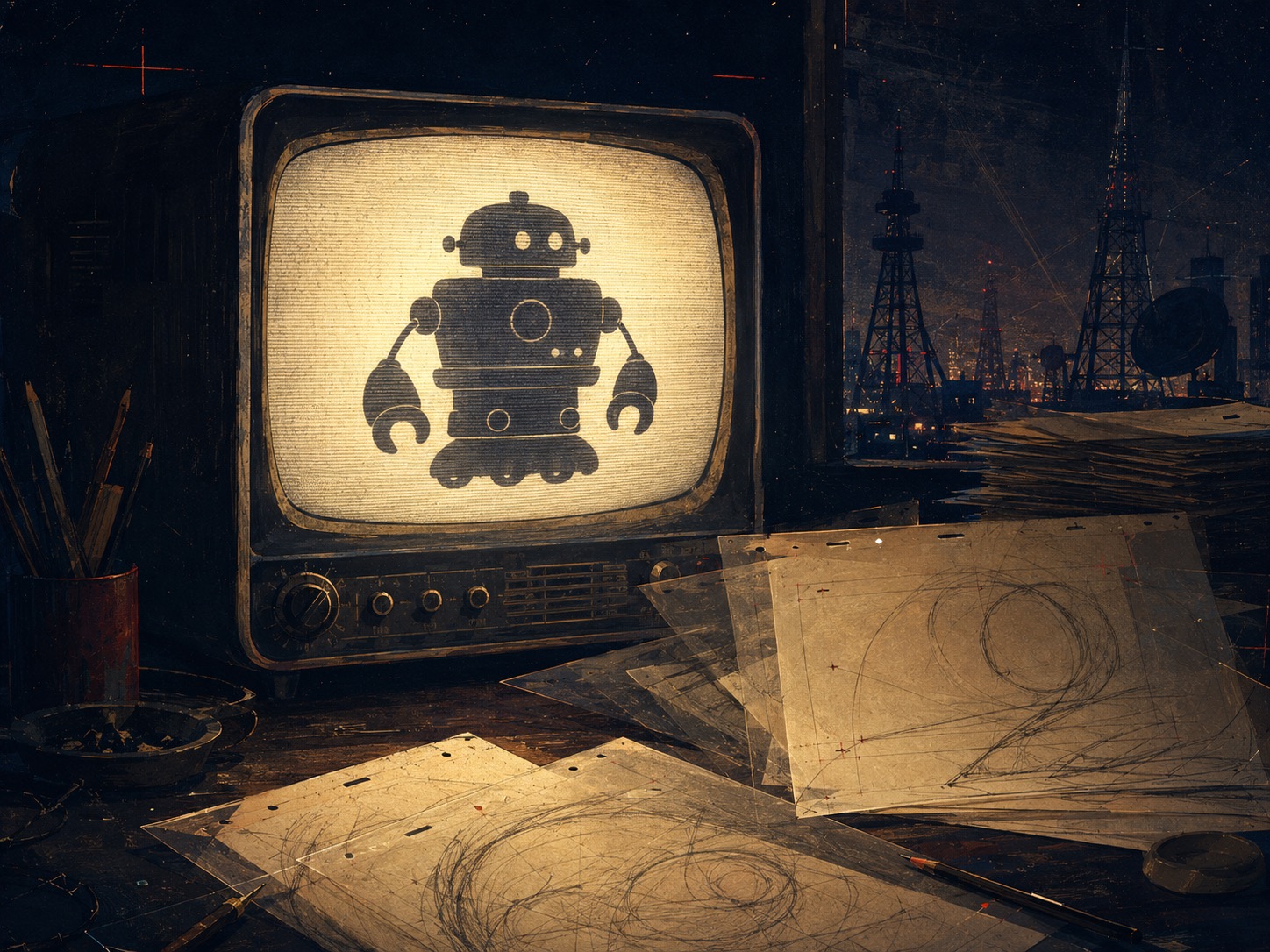
How weekly television changed anime
From a small living-room screen to a cultural habit that reshaped story rhythm.
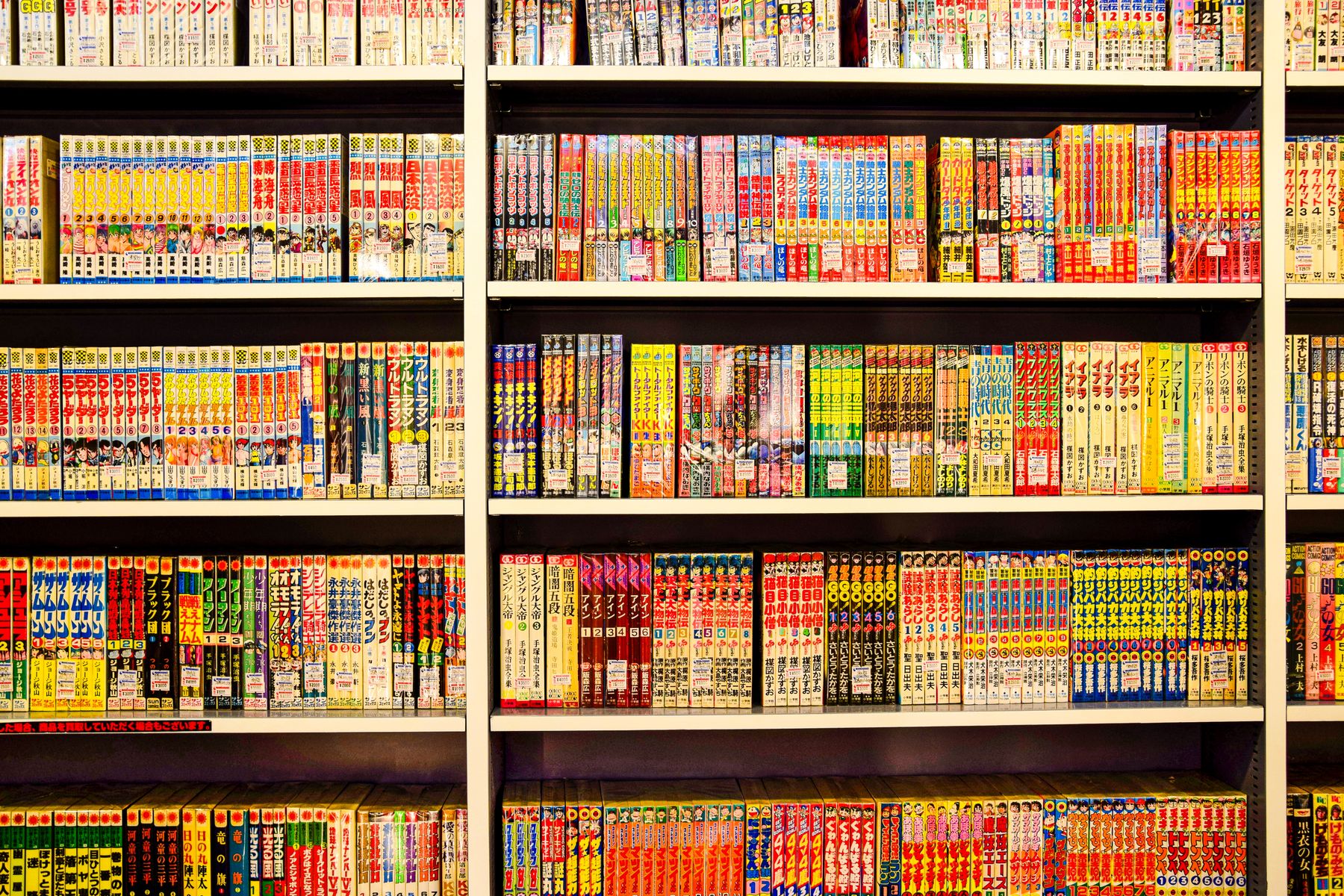
A real contextual photograph of a Japanese manga shop; not an anime frame.
As television expanded in the 1960s, animation was no longer only a short-form experiment. It became a weekly appointment requiring enduring characters and worlds worth returning to.
Recurring production demanded visual and economic solutions: reused motion, expressive stillness, and a larger role for sound and music in setting pace.
Those constraints were not merely limitations. Some became a distinctive artistic language still visible in anime today.
Continue the story
Related picks for anime fans
Explore manga, art books, drawing tools, and collectibles on Amazon.sa. As an Amazon Associate I earn from qualifying purchases, at no extra cost to you. Affiliate disclosure
As an Amazon Associate I earn from qualifying purchases.
Complete manga box sets
Browse collected series and story arcs for an organized anime library.
Browse on Amazon.sa ↗02Anime art and storyboard books
Visual references for character design, backgrounds, and scene craft.
Browse on Amazon.sa ↗03Manga drawing kits
Pens, sketchbooks, and inking tools for new and experienced artists.
Browse on Amazon.sa ↗04Licensed figures and collectibles
Search for authentic character figures and display collectibles.
Browse on Amazon.sa ↗05Light novels and collector editions
Stories that expand anime worlds, with editions for reading and collecting.
Browse on Amazon.sa ↗06Anime gifts and desk accessories
Practical ideas for gifts, desks, and a more personal viewing space.
Browse on Amazon.sa ↗