Guide · Anime Chronicle
When weather writes the screenplay: a five-film anime map of rain, heat, wind, snow, and tide
A spoiler-light viewing guide to weather as clock, border, and character test, from The Garden of Words to Ride Your Wave.
.jpg?width=1600)
A real photograph of Shinjuku Gyoen, the place associated with the garden scenes in The Garden of Words, taken by Guilhem Vellut on 3 July 2013. It is not a film frame or a record of a scene’s weather.
Verified 26 August 2026 against official or authorized pages from the Japan Meteorological Agency, Studio Chizu, GKIDS, and Apple TV. JMA describes Baiu as an early-summer cloudy and rainy period, generally running from early June to late July across most of Japan, with regional variation. The readings below are original, spoiler-light criticism—not meteorological claims or copied distributor language. No rumor or unconfirmed date is used. Source pages establish title and production context; legal availability changes by country and catalog, so check the official service in your region before subscribing or buying.
Why does weather in anime so often become more than attractive scenery? It performs three jobs at once. It keeps time: no meeting before the rain, no harvest before the season turns. It draws borders: an umbrella, farmhouse, train window, or shoreline separates shelter from uncertainty. And it tests decisions. A character reveals more by stepping into a storm—or staying under cover—than by naming a feeling. This is not a best-of ranking but five stations. At each one, ask: who is allowed to move, who must wait, and what happens to sound when air or water changes?
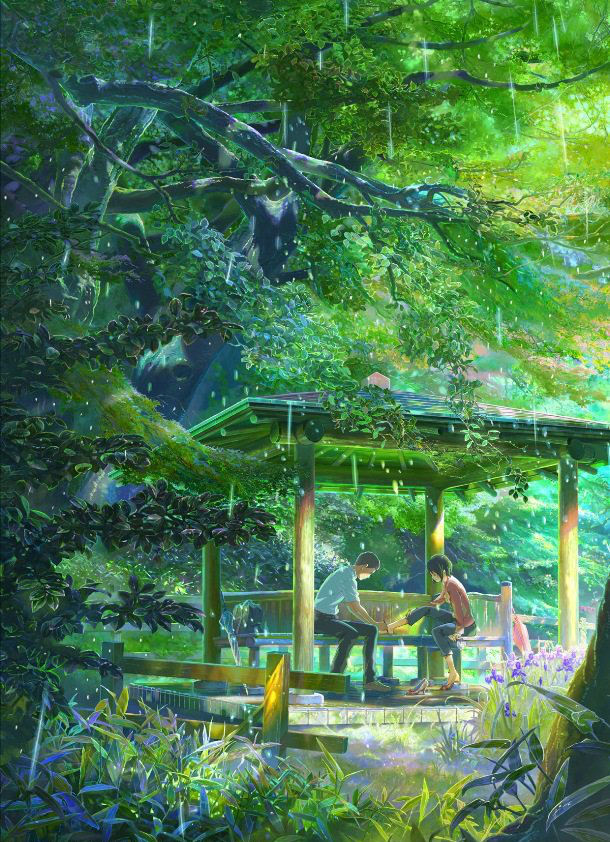
1. Rain — The Garden of Words (2013). Takao and Yukino do not meet by calendar appointment but under a weather condition: a rainy morning in the garden. Rain creates a temporary room inside Tokyo, lowering city noise, bringing footsteps forward, and permitting two unsteady people to step away from their daily roles. Follow the cuts between water, shoes, and hands. Wetness is not simply visual luxury; it makes care material. When Baiu ends, more than the palette changes—the rule that made meetings possible expires. Viewing key: measure the space between umbrella and bench, and resist reducing the film to rain romance; age and authority remain part of its ethical tension.
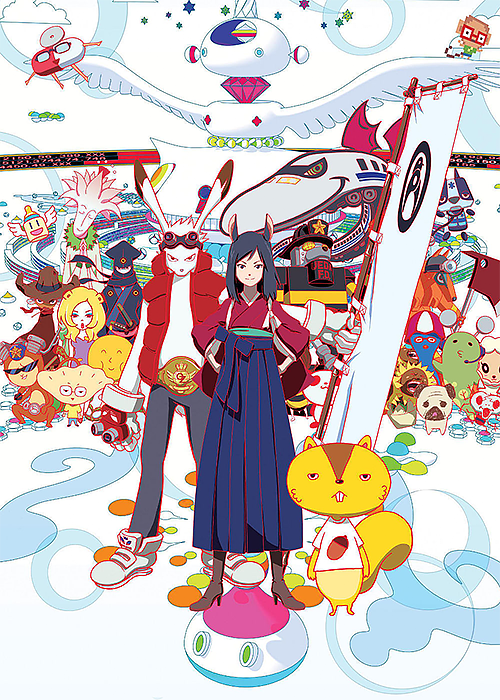
2. Heat — Summer Wars (2009). Studio Chizu calls it a summer family action film combining dynamic battles with human drama, but Nagano’s heat is not seasonal wallpaper. The old house fills with bodies, food, fans, and phone calls. As the digital network OZ fails, a rougher network becomes visible: relatives crossing rooms and calling people they know. Heat compresses time and turns veranda and kitchen into an operations center. Compare OZ’s cool white void with the crowded timber house. The virtual world appears weatherless; the family sweats, cooks, and grieves. Viewing key: ask which system survives by looking perfect, and which survives because its people know whom to call.
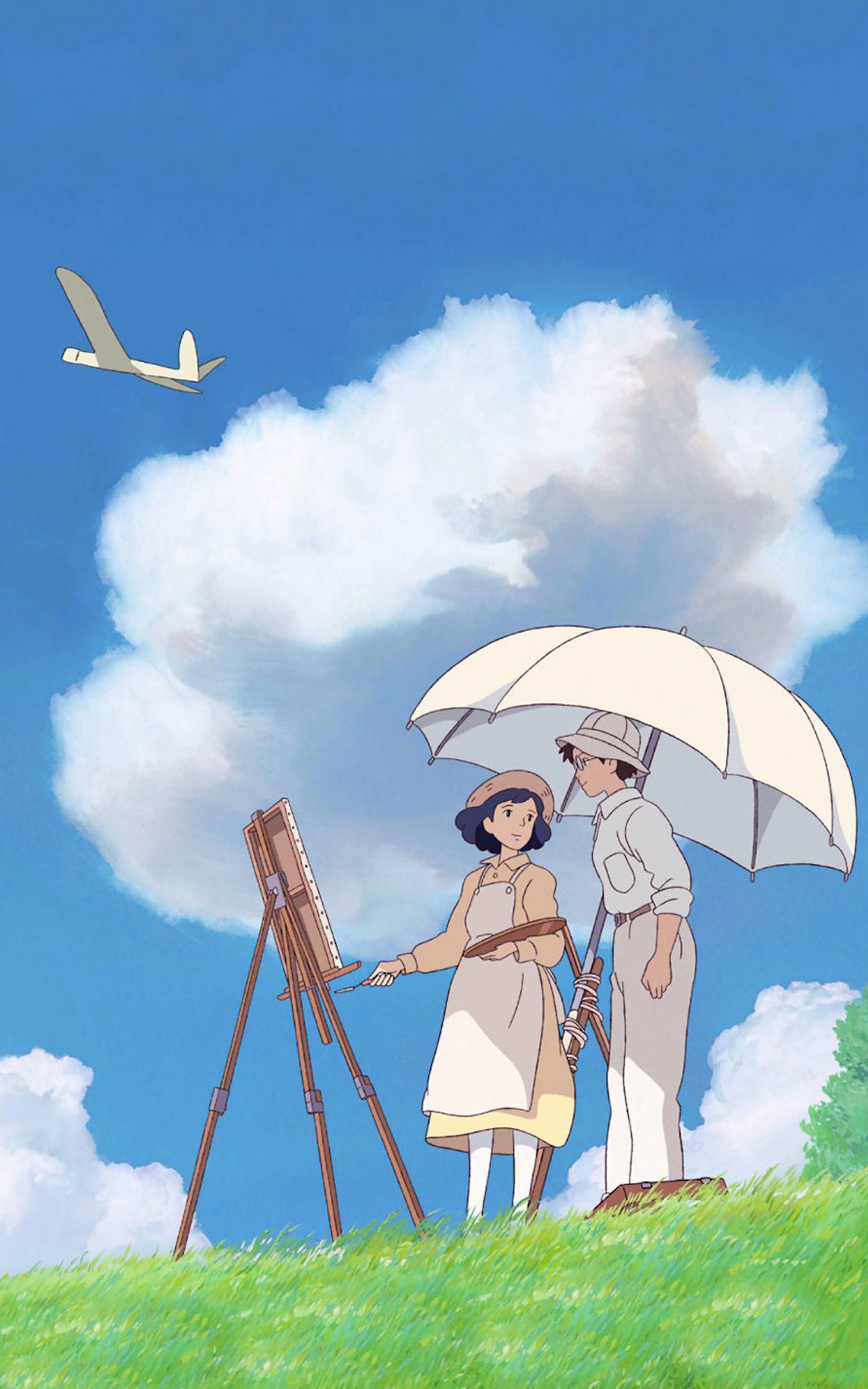
3. Wind — The Wind Rises (2013). GKIDS confirms Jiro’s dream of flight and aircraft design across turbulent historical events, yet wind is no simple freedom symbol. It lifts design and exposes fragility at the same time: carrying paper, pushing grass, and admitting disaster before exposition does. Sound matters. Machines can seem to breathe through human mouths rather than neutral mechanical roar, keeping invention tied to inventors. Viewing key: whenever air moves, separate the beauty of motion from the moral consequence of what is moving. The film asks neither hatred nor worship of craft. It places a dream inside history, where beauty is never automatically innocent.
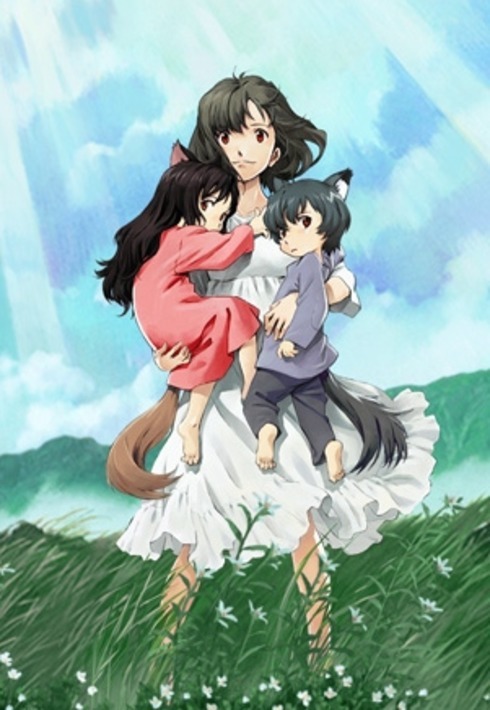
4. Snow and storm — Wolf Children (2012). The names begin with weather: Yuki, “snow,” and Ame, “rain,” as Studio Chizu’s official page explains. Seasons do not decorate Hana’s parenting journey; they become her work calendar and the measure of her children’s growth. Snow slows bodies and turns play into discovery, while soil and cultivation connect independence to skills learned from a community. A later storm tests competing bonds among school, mountain, and home. Viewing key: do not ask only whether each child is “human or wolf.” Watch which weather permits each identity to move. The film includes parental loss and children in danger, so its warm family imagery does not always mean light viewing.
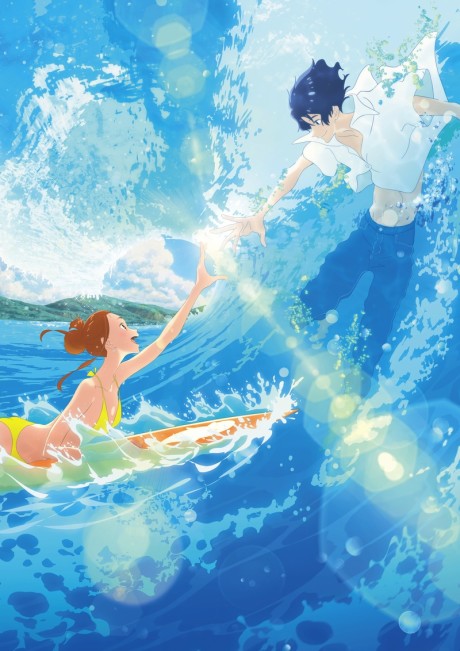
5. Tide — Ride Your Wave (2019). GKIDS frames the film as a story of romance, grief, and self-discovery around surf-loving student Hinako and firefighter Minato. Water is not merely the site of an accident; it becomes memory’s medium. It can carry image and voice but offers no promise of permanence. The wave therefore teaches grief through rhythm: approach and retreat are not betrayals of memory but motions that permit life to continue. Watch water shrink from ocean to cups and small surfaces. Each reduction asks whether the uncontrollable can be contained. Viewing key: hear the recurring song as an action changing with Hinako, not a musical interlude. The film includes sudden death and intense mourning.
Try a three-layer viewing exercise. In each film’s first ten minutes, note weather sound before weather appears; find the threshold it creates—a door, window, umbrella, veranda, or shore; then watch the labor it imposes on bodies: drying a shoe, moving a fan, catching paper, cultivating soil, or balancing on a board. Weather leaves the “background” category and becomes a production system: sound preceding image, space dividing movement, and everyday work revealing the relation between people and world. You need not settle on one symbol. The useful interpretation is the one anchored in what you actually hear and see.
Choose by mood: The Garden of Words for a concentrated, quiet 46 minutes; Summer Wars for a lively family evening crossing household and digital world; The Wind Rises for heavier historical reflection; Wolf Children for a long arc of parenting and belonging; Ride Your Wave for romance facing grief directly. These are selection recommendations, not availability confirmations. We do not claim one service carries all five in Saudi Arabia or elsewhere, and we never link to unlicensed streaming or downloads. Search the official title inside Netflix, Apple TV, Prime Video, Crunchyroll, or your local services, then verify audio, subtitles, and territory before paying.
The takeaway: cinematic weather matters not because it beautifies a shot but because it makes a decision costly. Rain limits the duration of a meeting; heat turns family into infrastructure; wind separates a dream from innocence; snow and storm measure independence; tide teaches memory to approach and leave room. Next time, do not begin with “what does rain symbolize?” Ask the more exact question: what has become possible now, and what has become impossible? When image, sound, and movement answer together, weather has truly begun writing the screenplay.
Sources
Sources
Dates and availability can vary by territory. Time-sensitive claims link to their direct source.
Continue the story
Related picks for anime fans
Explore manga, art books, drawing tools, and collectibles on Amazon.sa. As an Amazon Associate I earn from qualifying purchases, at no extra cost to you. Affiliate disclosure
As an Amazon Associate I earn from qualifying purchases.
The Garden of Words novel in English
Compare narrative voice with the film’s rhythm; verify language, publisher, and format.
Browse on Amazon.sa ↗02The Art of The Wind Rises
Study backgrounds and design; verify language, edition, and publisher rather than relying on the cover alone.
Browse on Amazon.sa ↗03Wolf Children manga omnibus in English
Compare page seasons with cinematic time; verify language, edition, and item condition.
Browse on Amazon.sa ↗